
Recent Articles

Travel Info

Uganda Travel Guide 2026

Discover the Pearl of Africa with Afrisite Tours & Travel

Uganda, famously dubbed the “Pearl of Africa” by Winston Churchill for its breathtaking diversity of landscapes, wildlife, and cultures, stands as one of East Africa’s most rewarding and accessible destinations. Nestled on the equator with snow-capped mountains, vast savannahs, impenetrable rainforests, crater lakes, and the mighty Nile River, this landlocked country offers an unparalleled blend of adventure, conservation success stories, and authentic cultural immersion. Whether you’re tracking endangered mountain gorillas in misty forests, spotting tree-climbing lions on game drives, rafting the Nile’s white waters, or exploring vibrant local communities, Uganda delivers immersive, life-changing experiences year-round.
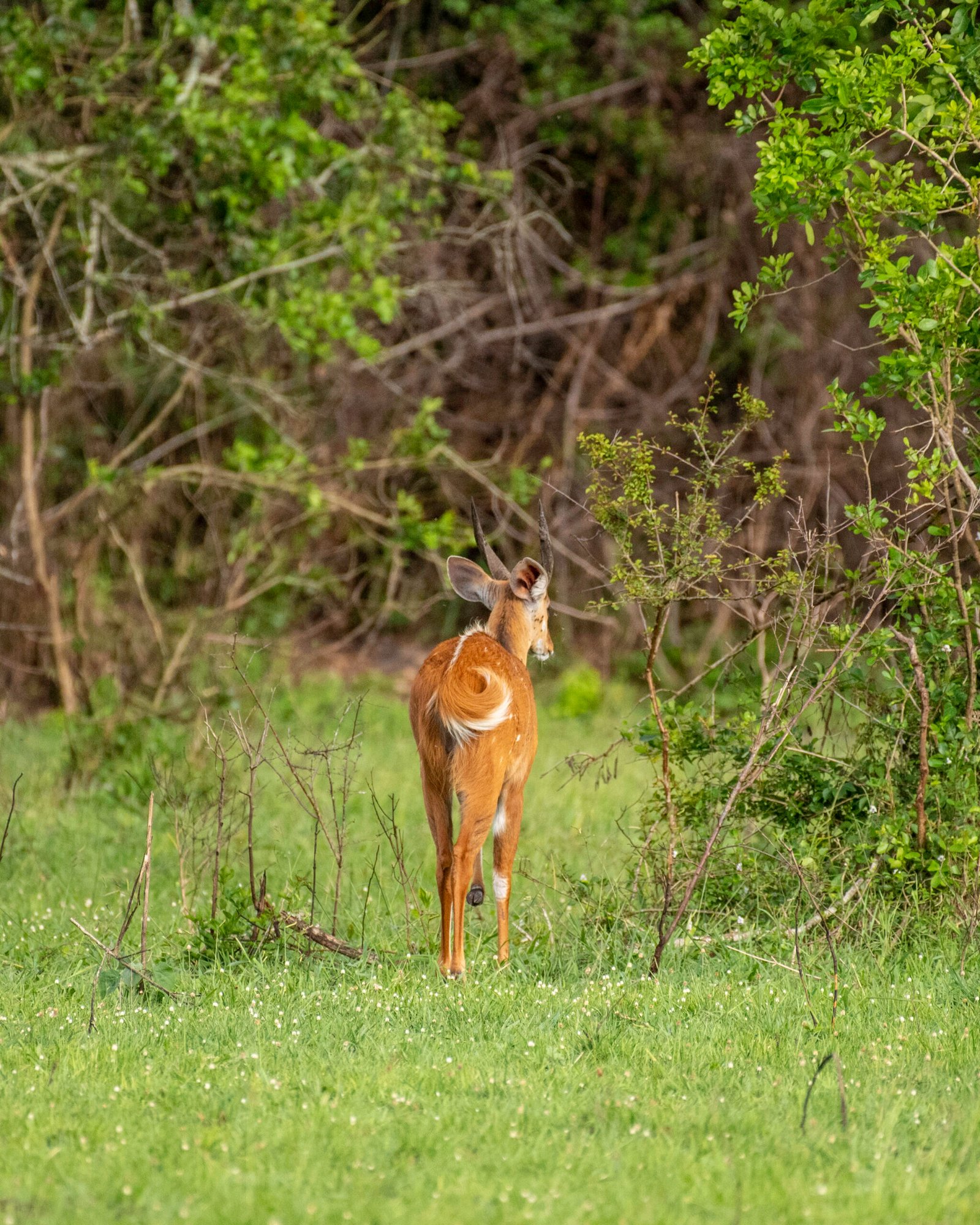
At Afrisite Tours & Travel, we specialize in crafting personalized, sustainable Uganda safaris and tours that go beyond the ordinary. As a fully registered Ugandan tour operator based in Kampala, we partner directly with licensed guides, lodges, and the Uganda Wildlife Authority (UWA) to ensure safe, ethical, and unforgettable journeys. Our packages emphasize responsible tourism—supporting local communities, wildlife conservation, and low-impact travel—while delivering luxury, comfort, and value. With over a decade of expertise in gorilla trekking, primate safaris, wildlife adventures, and cultural tours across Uganda and East Africa, we turn your dream safari into reality. Explore our Uganda tour packages and let us handle every detail.

Practical Travel Information

Getting There: Fly into Entebbe International Airport (EBB). Direct flights from Europe, Middle East, and Africa. Domestic flights (e.g., to Kihihi for Bwindi) via Uganda Airlines speed up transfers.
Getting Around:

  • Private 4×4 transfers with Afrisite (safest and most comfortable).
  • Domestic flights for long distances.
  • Public options (buses/matatus) not recommended for tourists.

Health & Safety:

  • Vaccinations: Yellow fever (required), Hepatitis A/B, typhoid, tetanus, rabies (for primate areas). Consult a travel clinic.
  • Malaria: High risk—use DEET repellent, nets, and prophylaxis (e.g., Malarone).
  • Safety: Exercise high caution per international advisories. Tourism police and licensed operators ensure park areas are secure. Avoid solo night walks in cities; use hotel taxis. Political stability supports tourism corridors. Comprehensive travel insurance (medical evacuation + adventure coverage) is essential.
  • Water/Food: Drink bottled/filtered water. Eat at reputable lodges.

Money & Packing:

  • USD cash (new bills) widely accepted; ATMs available in Kampala.
  • Pack: Sturdy hiking boots, rain jacket (rain possible anytime), neutral-colored clothes, binoculars, hat, sunscreen, long sleeves/pants, modest attire for villages.
  • Power: Type G plugs; carry adapters.

Visa & Entry Requirements (2026):

  • Most nationalities need an e-Visa (single-entry ~USD 50, up to 90 days). Apply online at visas.immigration.go.ug at least 2–3 weeks ahead. Processing: 3–5 days.
  • Passport valid 6+ months.
  • Yellow fever vaccination certificate required (mandatory for entry from endemic areas; recommended for all).
  • East African Community citizens enter visa-free.
  • No visa-on-arrival for most—plan ahead to avoid delays.

Why Travel with Afrisite Tours & Travel?

24/7 support

luxury/comfort lodges

Why Visit Uganda? The Pearl of Africa’s Unique Appeal

Uganda’s tourism sector is booming, with over 1.6 million international visitors in 2025 generating USD 1.62 billion in revenue—a 19.7% increase from 2024. This growth reflects the country’s world-class attractions, improving infrastructure (including direct flights to Entebbe International Airport), and strong conservation efforts. Unlike more crowded neighbors, Uganda offers intimate experiences with fewer tourists, higher success rates for gorilla permits, and diverse ecosystems in a compact area.

Key reasons to choose Uganda:

  • Biodiversity hotspot: Home to 10 national parks, 1,000+ bird species (over 50% of Africa’s total), 18 primate species, and the Big Five (with rhinos recently reintroduced in Kidepo Valley).
  • Conservation triumphs: Nearly half the world’s remaining mountain gorillas (~500+ individuals) thrive here, alongside recovering rhino populations and habituated chimpanzees.
  • Cultural richness: 56+ ethnic groups, traditional kingdoms (e.g., Buganda), lively markets, and community-led experiences that foster genuine connections.
  • Adventure variety: From high-altitude hiking in the Rwenzori Mountains (“Mountains of the Moon”) to Nile source rafting in Jinja and volcanic treks.
  • Accessibility and value: English widely spoken, warm hospitality, and competitive pricing compared to premium destinations like Kenya or Tanzania.
  • Sustainability focus: Uganda prioritizes eco-tourism, with UWA-licensed operators ensuring funds support park protection and local livelihoods.

Uganda appeals to families, solo travelers, honeymooners, birdwatchers, adventurers, and luxury seekers alike. Edge cases include remote northern parks like Kidepo for true wilderness or shoulder-season visits for lower crowds and discounted permits.

Top Destinations and National Parks

Uganda’s 10 national parks showcase every ecosystem imaginable. Here are the must-visit highlights: Bwindi Impenetrable National Park (Southwest): UNESCO World Heritage Site and gorilla trekking capital. Dense montane forest home to ~400 mountain gorillas. Permits required (book 3–6 months ahead via UWA). Multi-day treks offer intimate encounters (max 8 visitors per group). Combine with community walks and cultural performances. Mgahinga Gorilla National Park: Smaller Virunga extension with golden monkeys, volcanoes, and gorilla families. Ideal for hiking and cross-border experiences. Queen Elizabeth National Park (Southwest): Uganda’s most visited savannah park. Famous for tree-climbing lions (unique to Ishasha sector), elephants, buffaloes, hippos, and the Kazinga Channel boat safari (world’s highest hippo concentration). Over 600 bird species; excellent for game drives and chimpanzee tracking in nearby Kyambura Gorge. Murchison Falls National Park (Northwest): Largest park with dramatic Nile waterfalls (boat or hike to the top). Game drives reveal elephants, giraffes, lions, leopards, and antelopes. Sunset Nile cruises and fishing add variety. Kibale Forest National Park (“Primate Capital”): 13 primate species, including habituated chimpanzees. Chimp trekking, Bigodi Wetland birding, and crater lake hikes. Pairs perfectly with Queen Elizabeth. Kidepo Valley National Park (Remote Northeast): Uganda’s wildest frontier. Dramatic valleys with lions, elephants, buffaloes, cheetahs, and the recently reintroduced white rhinos. Fewer visitors mean exclusive experiences; ideal for photography and cultural Karamojong encounters. Rwenzori Mountains National Park: UNESCO site for alpine hiking (“Mountains of the Moon”). Glaciers, peaks over 5,000m, and unique vegetation. Multi-day treks for fit adventurers. Lake Mburo National Park: Compact, zebra-filled savannah near Kampala—great for short safaris, horseback riding, and boat trips. Other gems: Semuliki (hot springs and pygmy communities), Mount Elgon (hiking and caves), Lake Bunyonyi (terraced “Switzerland of Africa” for relaxation), and Jinja (Nile source, white-water rafting, bungee jumping). Pro tip: Combine 2–3 parks in a 7–14 day itinerary for variety (e.g., Kibale + Queen Elizabeth + Bwindi).

Wildlife and Safari Experiences

Uganda delivers Big Five viewing, primate tracking, and birding in one trip. Expect game drives, boat safaris, walking safaris, and night drives in select areas. Conservation stories—like rhino reintroduction after 43 years—add depth. Responsible operators like Afrisite ensure ethical viewing (no off-road driving near animals).

Cultural Experiences and People

Uganda’s 56+ tribes create a vibrant mosaic. Visit the Buganda Kingdom palace in Kampala, participate in traditional dances, sample luwombo (meat/veggies steamed in banana leaves), matoke, or groundnut sauce, and join coffee/tea plantation tours. Community homestays and craft markets support locals directly.

Adventure and Activities

Beyond safaris: Nile rafting (Grade V rapids), bungee jumping, mountain biking, fishing, hot-air balloon safaris (emerging), and volcano climbing.

Best Time to Visit Uganda

Uganda’s equatorial climate offers two dry seasons ideal for trekking and viewing:

  • Peak dry seasons (best overall): December–February and June–September. Clear trails for gorilla/chimp tracking, concentrated wildlife at water sources, and comfortable hiking. Peak crowds in July–August—book permits early.
  • Shoulder/wet seasons (March–May, October–November): Lush greenery, fewer tourists, lower permit prices, but muddier trails and possible rain. Great for birding and budget travel.
  • Year-round note: Primate trekking is possible anytime, but dry months minimize discomfort. Malaria risk is present year-round—take prophylaxis.

Weather nuances: High-altitude parks (Bwindi, Rwenzori) are cooler/mistier; northern parks hotter/drier.


Practical Travel Information

Getting There: Fly into Entebbe International Airport (EBB). Direct flights from Europe, Middle East, and Africa. Domestic flights (e.g., to Kihihi for Bwindi) via Uganda Airlines speed up transfers.

Visa & Entry Requirements (2026):

  • Most nationalities need an e-Visa (single-entry ~USD 50, up to 90 days). Apply online at visas.immigration.go.ug at least 2–3 weeks ahead. Processing: 3–5 days.
  • Passport valid 6+ months.
  • Yellow fever vaccination certificate required (mandatory for entry from endemic areas; recommended for all).
  • East African Community citizens enter visa-free.
  • No visa-on-arrival for most—plan ahead to avoid delays.

Getting Around:

  • Private 4×4 transfers with Afrisite (safest and most comfortable).
  • Domestic flights for long distances.
  • Public options (buses/matatus) not recommended for tourists.

Health & Safety:

  • Vaccinations: Yellow fever (required), Hepatitis A/B, typhoid, tetanus, rabies (for primate areas). Consult a travel clinic.
  • Malaria: High risk—use DEET repellent, nets, and prophylaxis (e.g., Malarone).
  • Safety: Exercise high caution per international advisories. Tourism police and licensed operators ensure park areas are secure. Avoid solo night walks in cities; use hotel taxis. Political stability supports tourism corridors. Comprehensive travel insurance (medical evacuation + adventure coverage) is essential.
  • Water/Food: Drink bottled/filtered water. Eat at reputable lodges.

Money & Packing:

  • USD cash (new bills) widely accepted; ATMs available in Kampala.
  • Pack: Sturdy hiking boots, rain jacket (rain possible anytime), neutral-colored clothes, binoculars, hat, sunscreen, long sleeves/pants, modest attire for villages.
  • Power: Type G plugs; carry adapters.