
Ut tellus dolor, dapibus eget, elementum ifend cursus eleifend, elit. Aenea ifen dn tor wisi Aliquam er at volutpat. Dui ac tui end cursus eleifendrpis.
Birding in Uganda is more than ticking a list—it’s an immersive journey through one of Africa’s richest natural treasures, supporting conservation and creating lifelong memories. Reach out to Afrisite Tours & Travel today to secure your 2026 private birding experience across Uganda’s extraordinary landscapes.
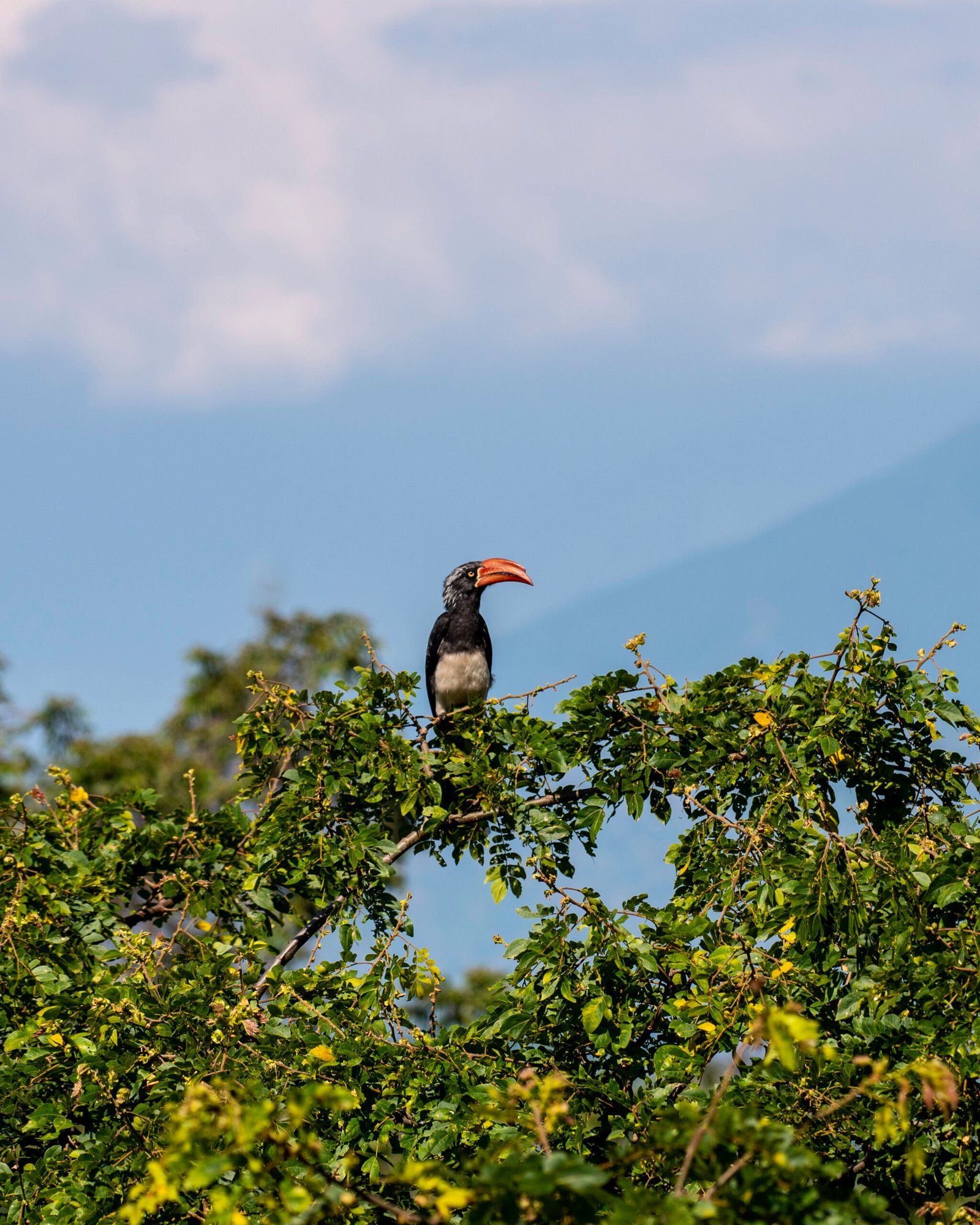
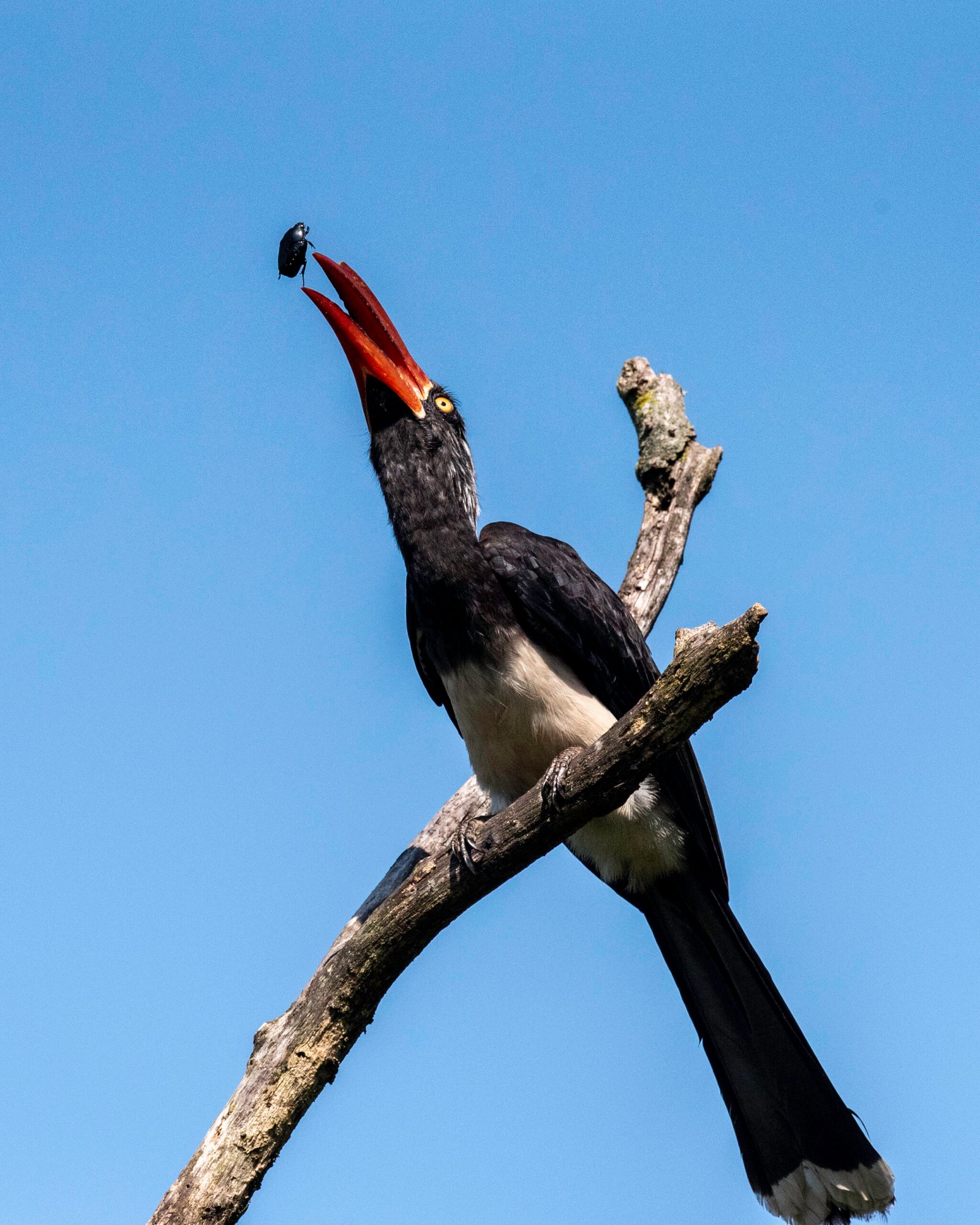
Birding in Uganda stands as one of Africa’s premier birdwatching destinations, boasting over 1,090 recorded species—more than 50% of Africa’s total and 10% of the world’s birds in a country smaller than Oregon. Keywords such as “birding Uganda,” “Uganda birdwatching tours,” “shoebill stork Mabamba,” “Albertine Rift endemics Bwindi,” “Murchison Falls birding,” and “private birding safari Uganda” attract dedicated ornithologists, photographers, and nature enthusiasts worldwide. In 2026, Uganda’s diverse habitats—from expansive wetlands and ancient rainforests to savannas and montane forests—deliver unparalleled variety, including 30+ Albertine Rift endemics found nowhere else on Earth.
Private, tailor-made birding safaris with Afrisite Tours & Travel elevate this passion into a seamless, expert-guided experience. Our specialist local birding guides—many with decades of field experience and certification from the Uganda Wildlife Authority (UWA)—know every call, plumage detail, and seasonal movement. Whether you’re chasing the prehistoric shoebill stork in Mabamba Swamp, spotting the rare African green broadbill in Bwindi, or photographing papyrus gonolek in Queen Elizabeth National Park, these journeys are customized for small groups, solo travelers, or families. Expect dawn choruses that awaken the soul, hidden forest endemics revealed by expert ears, and ethical encounters that directly support conservation and community livelihoods.
Uganda’s avian richness stems from its position at the crossroads of East Africa’s major flyways and its extraordinary habitat diversity: the Albertine Rift, Lake Victoria basin, Nile corridor, and semi-arid northeast. Conservation efforts intensified in the 1990s when tourism revenue began funding habitat protection. Today, birding directly sustains national parks, community conservancies, and Important Bird Areas (IBAs) recognized by BirdLife International. Over 30 IBAs span wetlands, forests, and savannas, protecting migratory species like the Abdim’s stork and intra-African migrants.
Nuances matter: many species are habitat specialists—shoebills require papyrus swamps, while Rwenzori turacos thrive only in high-altitude bamboo zones. Implications for travelers are profound: every dollar spent on birding safaris funds anti-poaching, wetland restoration, and community education, reducing pressure on forests and supporting women-led craft groups near parks. Edge cases include climate-change impacts on migratory patterns (drier seasons shifting waterbird concentrations) and occasional habitat overlap with primate or big-game areas, creating hybrid experiences. Related considerations: responsible birding avoids playback calls in sensitive areas and prioritizes local guides to ensure knowledge transfer to the next generation.
Unlike primate trekking, dedicated birding permits are not required—general park entry fees cover access. However, specialist sites like Mabamba Swamp operate under community concessions with modest guiding fees.
2026 Park & Activity Fees (per person, per day):
Multi-day private packages start at $350–$550 per person per day (all-inclusive: expert guide, private 4×4 vehicle, luxury or mid-range lodges, meals, and internal transfers). Habituation-style extended sessions or specialist photography hides add $100–$200. Book 3–6 months ahead for peak seasons or combined primate-birding itineraries. Afrisite Tours handles all bookings, ensuring priority access to community sites and low-season discounts (April, May, November).
Your day typically begins pre-dawn with coffee and a briefing from your dedicated ornithologist guide. Armed with spotting scopes, playback (used sparingly and ethically), and decades of local knowledge, you explore prime habitats by vehicle, boat, or gentle forest walks. Expect 50–150 species per full day—far exceeding most global destinations.
Highlights include:
Private tours keep groups to 4–6 maximum for minimal disturbance and maximum sightings. Guides use laser pointers for distant birds and share fascinating ecology—tool-using crows, cooperative breeding in weavers, or migration secrets. Photography-focused clients receive tripod setups and best-light positioning; beginners get patient identification tutorials.
Nuances: Bird activity peaks at dawn/dusk; midday offers siesta and lodge-based garden birding. Edge cases: Mobility needs are accommodated with vehicle-based viewing or shorter walks; families with children enjoy interactive elements like nest-finding games. Safety is excellent—guides monitor for rare elephant or buffalo encounters.
Birding is rewarding year-round, but timing maximizes diversity and comfort:
Peak Dry Seasons (Recommended): June–September and December–February. Water levels drop, concentrating waterbirds; trails are drier and visibility clearer. Migratory species from Europe and Asia swell numbers. Highest demand—book early.
Low/Shoulder Seasons (Value & Lush Experience): April–May and October–November. Official low-season discounts, fewer crowds, vibrant greenery, and breeding plumage on residents. Wet trails are manageable with gumboots provided by Afrisite Tours.
Consider your target species: shoebills best in dry seasons; forest endemics shine in wet seasons with fruit abundance. Afrisite customizes itineraries around weather forecasts and festival calendars for seamless multi-activity trips.
Birding safaris suit all fitness levels—most activities are gentle walks or vehicle-based. Pre-trip preparation includes basic research on target species and travel insurance covering evacuation.
Essential Packing List:
Health: Malaria prophylaxis and standard vaccinations. Dietary and accessibility needs are fully accommodated. Guides provide rental gear if needed.
1. Mabamba Swamp & Entebbe Area – Shoebill capital; perfect 1–2 day add-on from airport. 2. Bwindi Impenetrable – Endemic hotspot; combine with gorilla trekking. 3. Queen Elizabeth & Kyambura Gorge – Savanna-wetland mix. 4. Murchison Falls – Riverine and waterfall spectacles. 5. Kibale & Bigodi – Forest and wetland synergy. 6. Kidepo Valley – Remote arid specialties.
Sample Private Itineraries with Afrisite Tours & Travel:
Private 4×4 vehicles with pop-up roofs, handpicked lodges (e.g., Mweya Safari Lodge, Primate Lodge Kibale, or boutique eco-camps), and flexible pacing ensure comfort. Photographers receive extended hides; families get educational elements.
Birding fosters scientific curiosity, mindfulness, and global conservation awareness. Revenue supports wetland restoration, anti-poaching, and community projects—empowering local guides and women’s cooperatives selling crafts near IBAs. In 2026, Uganda’s tourism strategy emphasizes low-impact birding to combat habitat loss from agriculture.
Implications: Successful protection has stabilized populations of vulnerable species like the grey-crowned crane. Edge cases: Peak-season crowds at Mabamba—private tours secure exclusive canoe slots. Responsible practices include no excessive playback, buying community crafts, and carbon offsetting. Related considerations: Hybrid itineraries blend birding with primates or culture without compromising focus.
Afrisite Tours & Travel, a trusted Kampala-based operator, specializes in private, tailor-made birding safaris with certified expert local guides who are passionate ornithologists first. We handle permits, private transport, premium accommodations, and 24/7 support. Testimonials highlight our species lists (often exceeding 300 per trip), ethical focus, and personalized service that turns a hobby into a transformative journey.
Contact us today at info@afrisitestoursandtravel.com or call 039 3101000. Let’s craft your perfect private birding adventure.
Contact us


