Bwindi Impenetrable National Park is a premier destination in southwestern Uganda, renowned worldwide for mountain gorilla trekking. The page from afrisites tours and travel serves as a detailed promotional and informational guide for visitors, highlighting the park’s biodiversity, activities, practical travel advice, and conservation context.
Southwestern Uganda, in the Albertine Rift Valley, bordering the Democratic Republic of Congo. It spans districts like Kanungu, Kabale, and Kisoro. The park covers about 331 km² (sources vary slightly between 321–331 km²) of ancient Afromontane lowland and montane forest.
Ranges from 1,160m to 2,607m above sea level, with about 60% above 2,000m. The northern part is lower; the eastern side is higher.
Climate: Tropical rainforest with average temperatures of 7–20°C (cooler in June–July). Heavy rains in March–May and September–November; drier periods otherwise. Rain is possible year-round, creating muddy, slippery trails.
Significance: UNESCO World Heritage Site (designated 1994) due to exceptional biodiversity. It is one of Africa’s oldest ecosystems, surviving as a Pleistocene refugium for over 25,000 years. The name “Bwindi” derives from the local Rukiga word meaning “a place of darkness” or “impenetrable,” reflecting its dense vegetation.
Biodiversity Highlights
Bwindi is a biodiversity hotspot:
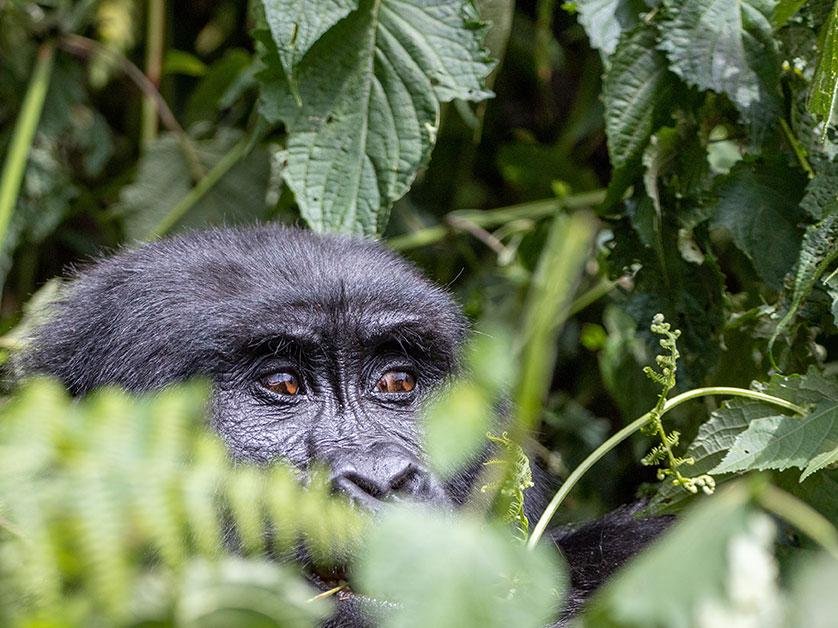
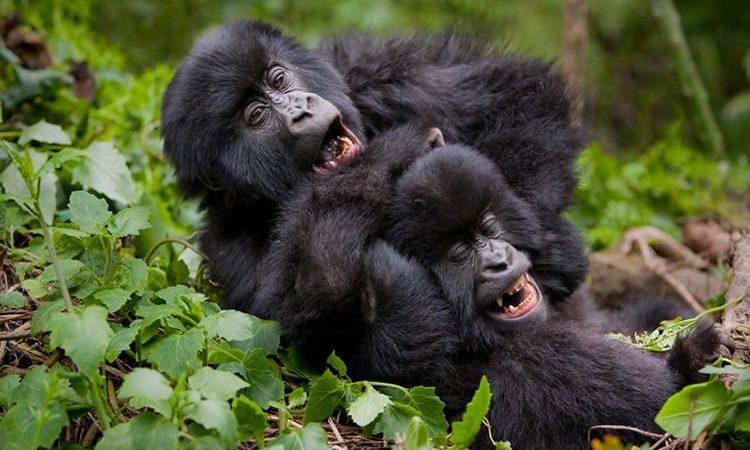
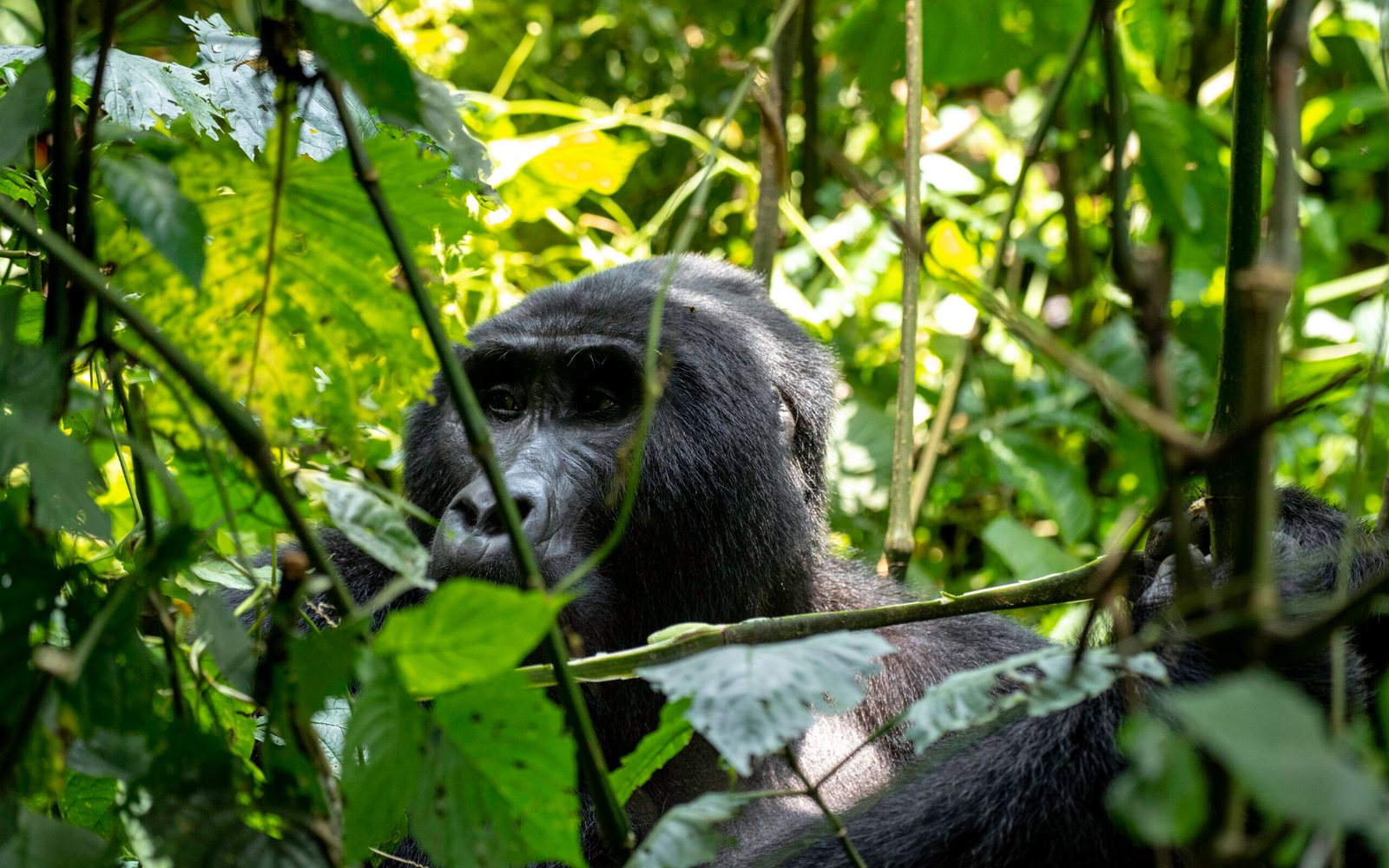
Mountain Gorillas: Home to roughly 400+ individuals (about half the world’s remaining population of the endangered Gorilla beringei beringei). There are around 14 habituated groups, primarily trekked in southern sectors like Nkuringo and Rushaga.
Other Wildlife: Over 120 mammal species (including ~30 elephants, 7 diurnal primates like black-and-white colobus monkeys, chimpanzees), ~350–360 bird species (including 23 Albertine Rift endemics, e.g., Blue-headed sunbird, short-tailed warbler), 200+ butterfly species, and over 324 tree species (10 unique to Uganda, plus many ferns).
Flora: Dense forest with varied ecosystems supporting high endemism.
Gorillas live in family groups of up to 30, are primarily vegetarian, and have thick fur adapted to cooler montane conditions. Females typically give birth every 3–4 years after an 8–10 month gestation, with a lifespan of around 50 years in the wild.
Main Activities
Gorilla Trekking and 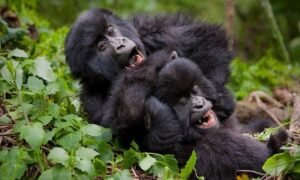 Habituation:
Trekking permits: ~$800 (1-hour visit with gorillas; max 8 visitors per group; minimum age 15).
Habituation experience: $1,500 (longer, more immersive).
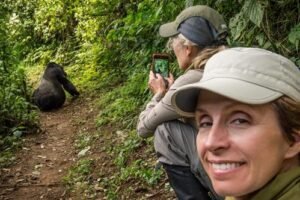
Involves hiking through dense forest; rewards include close encounters plus sightings of birds, monkeys, butterflies, and plants.
Birding: Excellent across sectors, especially via trails like Buhoma waterfall, bamboo zones, and Mubwindi swamp in Ruhija.
Hiking and Nature Walks: Multiple trails in Buhoma (e.g., Muyanga waterfall, Rushura hill, Ivi River) offering scenic views, primates, and waterfalls.
Mountain Biking: Organized by the local women’s group “Ride 4 a Woman” in Buhoma—challenging climbs with panoramic views.
Cultural Encounters: Batwa (pygmy) trails and visits. The Batwa are traditional hunter-gatherers (“keepers of the forest”) who share knowledge of medicinal plants, hunting, culture, songs, and dances.
Practical Travel Information
Best Time to Visit: Dry months (June–mid-September, December–February) for easier trekking. Wet seasons are greener but more challenging.
Access:
By Road: 8–10 hours from Kampala/Entebbe (e.g., via Masaka or Mbarara). 4WD recommended in rain. Public options exist but private/safari transfers are advised.
By Air: Domestic flights to Kihihi, Kisoro, or Kayonza airstrips (shorter and scenic).
Accommodation: Options across sectors (Buhoma, Nkuringo, Ruhija, Rushaga) for all budgets—luxury lodges, mid-range, eco-camps, and community campsites. Examples include Buhoma Lodge, Clouds Mountain Gorilla Lodge, and various gorilla safari lodges.
What to Pack: Sturdy hiking boots, rain gear, long sleeves/pants, layers, binoculars/camera, snacks, insect repellent, first aid, modest/neutral clothing, and cash. Respect local culture and the environment.
 Community
The park is managed by the Uganda Wildlife Authority (UWA). Gorilla trekking revenue funds conservation, habitat protection, and community projects (schools, health centers). It balances tourism with protecting the forest amid surrounding high human population density. afrisites tours and travel highlights responsible tourism.
Broader Context and Implications
Bwindi represents a conservation success story for mountain gorillas while facing ongoing pressures from poaching, habitat encroachment, disease transmission, and climate impacts. Tourism provides economic incentives for protection but requires careful management to minimize disturbance. The park also offers insights into human-primate coexistence and indigenous knowledge (e.g., Batwa traditions, though their historical forest access has changed due to conservation).
Nuances/Edge Cases:
Trekking is physically demanding (steep, muddy terrain); fitness matters.
Permits are limited and should be booked in advance.
Weather is unpredictable—always prepare for rain.
Health: Malaria risk, altitude considerations, and strict gorilla rules (e.g., no trekking if sick).
This page positions Bwindi as a must-visit for primate enthusiasts, birders, nature lovers, and cultural adventurers, with afrisites tours and travel promoting their tailored safaris (e.g., short gorilla-focused trips or longer Uganda combos). It blends factual details with promotional elements to encourage bookings.