
Ut tellus dolor, dapibus eget, elementum ifend cursus eleifend, elit. Aenea ifen dn tor wisi Aliquam er at volutpat. Dui ac tui end cursus eleifendrpis.
Hiking in Uganda is more than a physical challenge—it’s a journey through equatorial wonders that rewards effort with unparalleled beauty, cultural connections, and lasting memories while supporting conservation. Reach out to Afrisite Tours & Travel today to secure your 2026 private hiking experience in the Pearl of Africa.
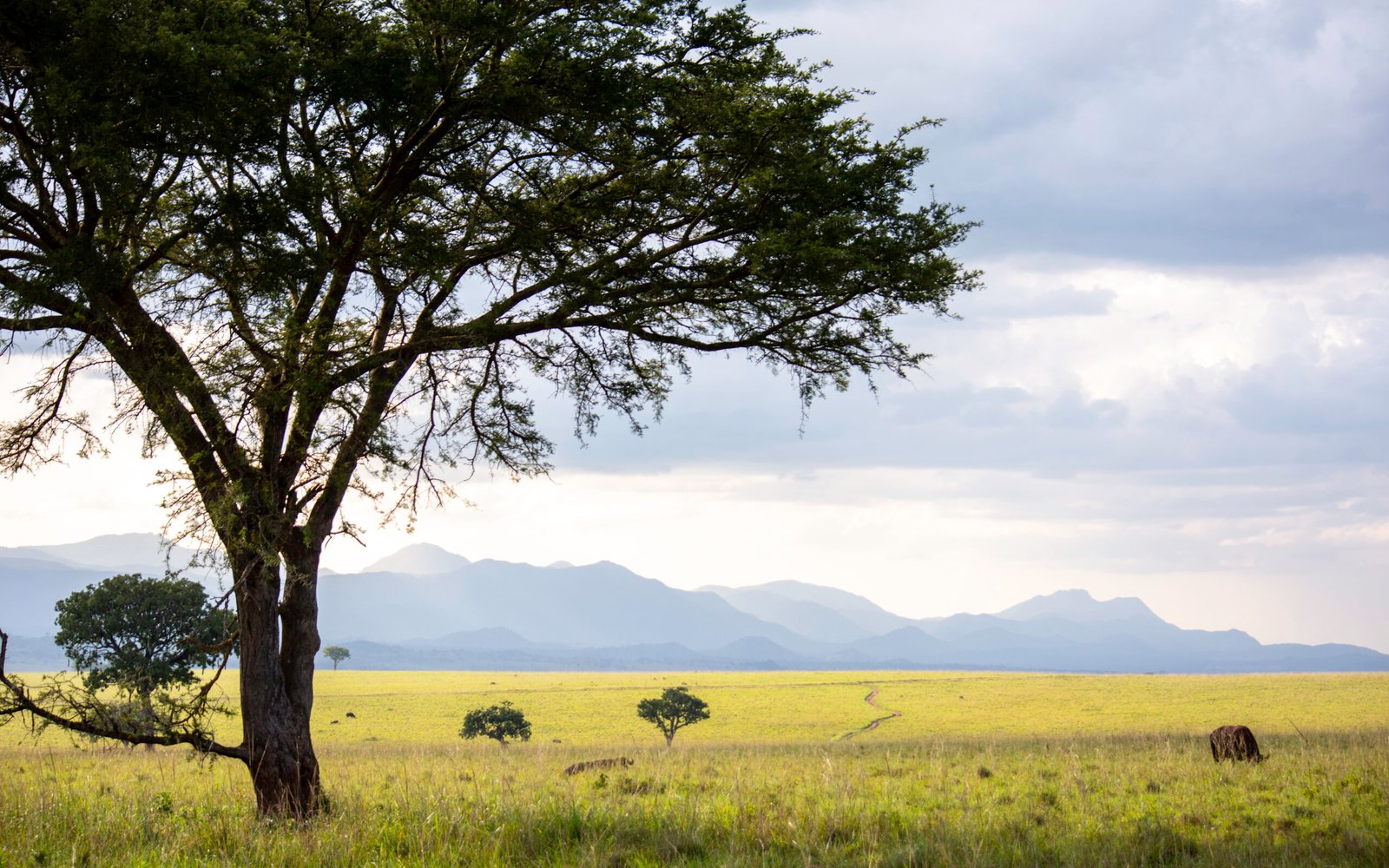
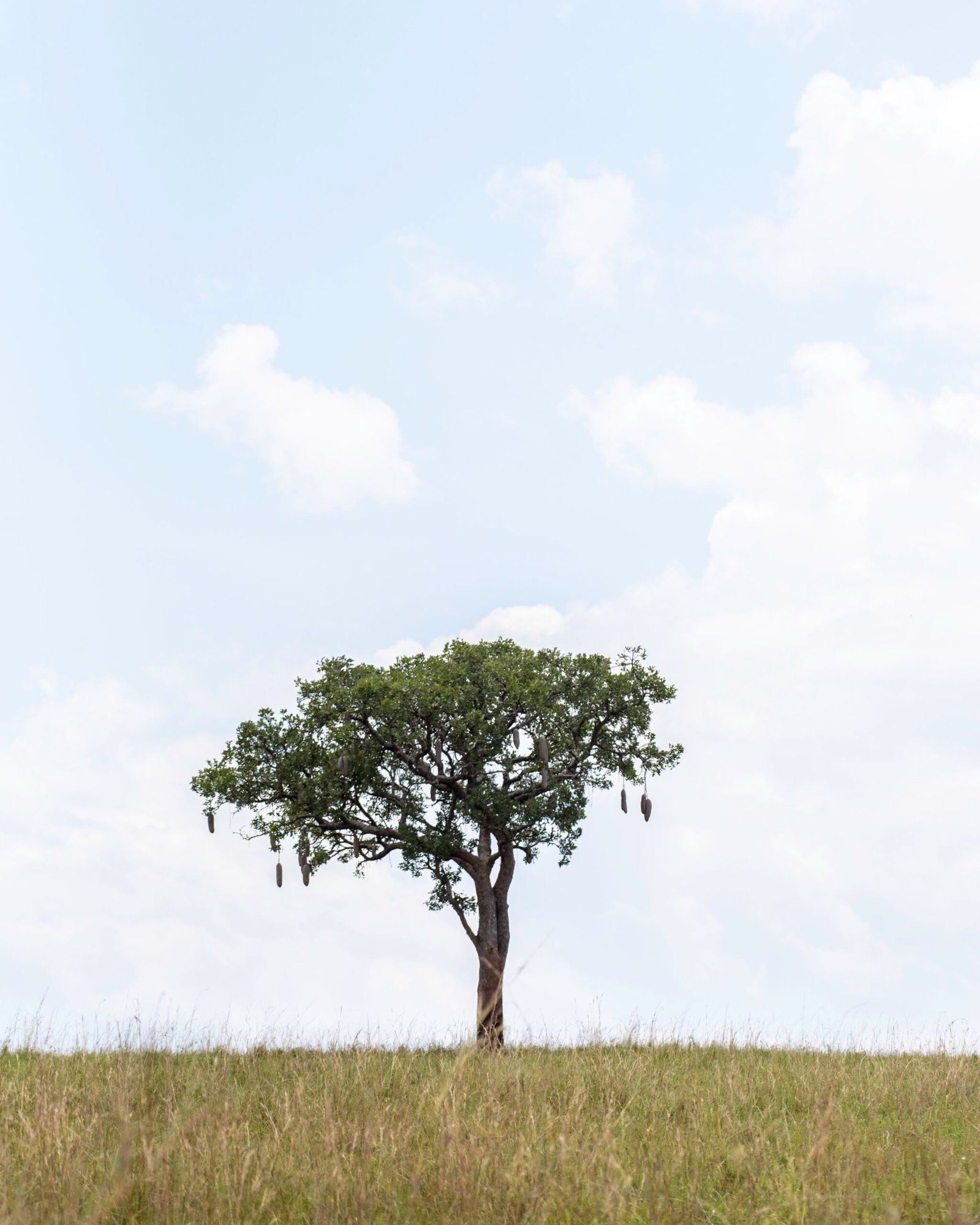
Hiking in Uganda offers some of Africa’s most dramatic and varied trekking experiences, from the snow-capped “Mountains of the Moon” in the Rwenzori range to gentle forest trails in Bwindi Impenetrable National Park and challenging volcanic ascents in Mgahinga. Keywords such as “hiking Uganda,” “Rwenzori mountains hike 2026,” “Mgahinga volcano trek,” “Bwindi forest hiking trails,” “private hiking safari Uganda,” and “Uganda mountain trekking” attract adventure seekers, photographers, and nature lovers who want to combine physical challenge with breathtaking scenery and wildlife encounters. In 2026, Uganda’s hiking tourism continues to grow as a sustainable, low-impact activity that supports conservation while delivering unforgettable personal achievements.
Private, tailor-made hiking safaris with Afrisite Tours & Travel transform these adventures into personalized, safe, and expertly guided journeys. Our experienced local guides—many certified by the Uganda Wildlife Authority (UWA) and drawn from mountain communities—bring intimate knowledge of trails, weather patterns, and cultural stories. Whether you’re a seasoned mountaineer tackling Margherita Peak (5,109 m) or a first-time hiker exploring misty bamboo forests near gorilla habitats, we customize every detail for small groups, solo travelers, or families. Expect dramatic landscapes that shift through five distinct vegetation zones, close encounters with primates and birds, and the profound satisfaction of reaching summits that few ever see.
Uganda’s hiking heritage is rooted in the Rwenzori Mountains, first documented by European explorers in the late 19th century and named the “Mountains of the Moon” for their mist-shrouded peaks. The range forms part of the Albertine Rift, a UNESCO World Heritage site that supports unique alpine flora (giant lobelias and groundsels) found nowhere else on Earth. Mgahinga Gorilla National Park and Bwindi offer volcanic and rainforest hikes that double as primate-viewing corridors, while Kidepo Valley and Queen Elizabeth provide savanna and gorge trails.
Conservation is at the heart of Ugandan hiking. Trekking fees directly fund anti-poaching patrols, habitat restoration, and community projects in surrounding villages. Revenue-sharing models empower local porters, guides, and women’s groups, reducing pressure on forests and promoting alternative livelihoods. Unlike mass tourism, Uganda’s trails emphasize small-group limits and “leave no trace” principles, preserving fragile ecosystems.
Nuances include dramatic micro-climates—snow on the equator in Rwenzori— and the interplay between hiking and biodiversity. Implications for travelers: every step contributes to protecting endangered species and cultural heritage. Edge cases: altitude sickness on high peaks or seasonal mudslides in wet months require careful planning. Related considerations: many trails link seamlessly with gorilla trekking, chimpanzee tracking, birding, or cultural experiences (e.g., Batwa trails in Bwindi), creating hybrid adventures that maximize value.
Hiking permits are managed by UWA and community operators. No separate trekking permit is needed beyond park entry, but guided and porter services are mandatory on multi-day routes for safety and support.
2026 Fees (per person, approximate – subject to UWA confirmation):
Book 4–8 months ahead for Rwenzori or peak dry-season slots. Low-season discounts (April, May, October, November) can reduce costs by 20–30 %. Afrisite Tours handles all reservations, equipment rental, and medical support, ensuring no hidden fees.
A typical multi-day trek starts with a detailed briefing on fitness, altitude, and safety. Your private guide assesses pace, assigns porters (who carry up to 15 kg of personal gear), and shares local legends along the trail. Daily distances range from 5–12 km, with elevation gains of 500–1,500 m depending on the route.
Rwenzori Central Circuit Highlights:
Mgahinga Volcano Hikes: Steep but short ascents of Mt. Muhavura (4,127 m) or Mt. Gahinga, often combined with golden monkey or gorilla viewing.
Bwindi & Forest Hikes: Gentler trails through dense rainforest, with opportunities to spot gorillas or birds en route. Community-led Batwa trails add cultural depth.
Private groups (maximum 6–8) enjoy flexible pacing, rest stops, and photography time. Guides carry first-aid kits, satellite phones, and emergency oxygen. Emotional rewards include the silence of high-altitude camps, star-filled nights, and the camaraderie of summit celebrations.
Nuances: Trails are well-maintained but can be muddy or rocky—gum boots and trekking poles are essential. Edge cases: Altitude above 4,000 m may cause mild AMS (acute mountain sickness); guides monitor symptoms and can adjust routes. Safety is prioritized—rangers accompany high-altitude sections, and evacuation insurance is included in packages. Families or seniors receive customized low-altitude options with vehicle support.
Hiking is possible year-round, but conditions vary dramatically:
Peak Dry Seasons (Recommended): June–September and December–February. Clear skies, drier trails, better visibility, and stable weather. Rwenzori offers the best summit success rates; Mgahinga volcanoes are less misty. Highest demand—book early.
Shoulder & Low Seasons (Value Option): March–May and October–November. Lush vegetation, fewer crowds, and lower rates. Trails are wetter but greener, with spectacular wildflowers in Rwenzori. Official UWA promotions often apply.
Consider your goals: technical summiteers prefer dry months; photographers love wet-season mist and rainbows. Afrisite Tours monitors real-time weather and adjusts itineraries for optimal conditions.
Hiking in Uganda requires moderate-to-high fitness. Pre-trip training (cardio, strength, and altitude simulation) is advised for Rwenzori. A medical check-up and comprehensive travel insurance (including helicopter evacuation) are mandatory.
Essential Packing List:
Health: Malaria prophylaxis for lower trails; altitude medication for high routes. Dietary needs (vegetarian, gluten-free) and mobility requirements are fully accommodated in private packages.
1. Rwenzori Mountains National Park – The ultimate technical challenge with equatorial glaciers. 2. Mgahinga Gorilla National Park – Volcano hikes with gorilla and golden monkey add-ons. 3. Bwindi Impenetrable National Park – Forest trails linking culture and primates. 4. Queen Elizabeth National Park – Kyambura Gorge and crater lake hikes. 5. Kidepo Valley National Park – Remote savanna and escarpment trails.
Sample Private Itineraries with Afrisite Tours & Travel:
Private 4×4 vehicles, handpicked eco-lodges or mountain huts, and 24/7 support ensure comfort after each day’s exertions. Photographers receive summit sunrise timing; families get shorter, scenic day hikes.
Hiking in Uganda builds physical resilience, mental clarity, and deep environmental appreciation. Revenue supports park maintenance, community education, and climate-resilient agriculture. In 2026, Uganda’s strategy focuses on low-volume, high-value trekking to minimize erosion and maximize benefits for mountain communities.
Implications: Successful conservation has protected unique alpine ecosystems while providing economic stability. Edge cases: Over-demand on popular Rwenzori routes—private tours secure priority bookings and quieter experiences. Responsible practices include using established trails, carrying out all waste, supporting community porters fairly, and offsetting carbon emissions. Related considerations: Hybrid itineraries combine hiking with gorilla/chimp tracking or birding for richer, multi-dimensional safaris.
Afrisite Tours & Travel, a Kampala-based specialist, excels in private, tailor-made hiking safaris with expert local guides who prioritize safety, sustainability, and personalization. We manage all permits, provide top-tier equipment, private transport, and comfortable accommodations—from luxury lodges to fully serviced mountain camps. Testimonials highlight our meticulous planning, cultural insights, and ability to turn challenging treks into transformative journeys.
Contact us today at info@afrisitestoursandtravel.com or call 039 3101000. Let’s craft your perfect private hiking safari.
Contact us


